
round cake serving guide
Round Cake Serving Guide: A Comprehensive Plan
Planning a celebration? Determining the right amount of round cake is crucial for guest satisfaction, considering appetites and other desserts available.
A centerpiece of celebrations, the round cake demands thoughtful serving consideration. Beyond simply cutting slices, successful cake serving involves understanding guest counts, appetites, and the overall dessert spread. Is it a casual birthday gathering or a formal wedding reception? These factors dramatically influence how much cake you’ll need.
Often, people underestimate or overestimate the required amount, leading to waste or disappointment. This guide aims to eliminate guesswork, providing a comprehensive approach to round cake serving. We’ll explore standard cake sizes, serving estimations, and even etiquette tips.
Knowing how to properly portion ensures everyone enjoys a delightful piece of the festivities. From traditional wedge cuts to modern grid techniques, we’ll cover it all, helping you create a sweet and memorable experience for your guests.
Understanding Cake Serving Sizes
Determining a “serving” isn’t always straightforward. A standard serving size is generally considered to be 1” x 1” x 1” – roughly a 1/12th slice of an 8-inch round cake. However, this is merely a guideline. Individual appetites vary significantly; some guests will happily consume larger portions, while others prefer a smaller taste.
The richness of the cake itself plays a role. Light, airy cakes can be enjoyed in larger servings than dense, heavily frosted varieties. Furthermore, the presence of other desserts impacts consumption. If a buffet offers numerous options, cake servings will likely be smaller.
Accurate estimation requires considering these nuances. It’s always better to slightly overestimate than to run out, but minimizing waste is also important. We’ll delve into specific size charts to help you navigate these considerations effectively.
Standard Round Cake Sizes & Servings
Round cakes are a classic choice for celebrations, and come in a variety of sizes to accommodate different guest counts. Common sizes include 6-inch, 8-inch, 9-inch, 10-inch, and 12-inch diameters. Each size yields a different number of servings, typically ranging from 8 to 32+ slices, depending on how the cake is cut.
These serving estimates assume standard 1” x 1” slices. However, as previously discussed, serving sizes can be adjusted based on guest preferences and the overall dessert spread. We’ll explore each size in detail, outlining the approximate number of servings and ideal event types for each.
Understanding these standard sizes provides a foundational understanding for effective cake planning, ensuring everyone enjoys a sweet treat without excessive leftovers or shortages.
6-Inch Round Cake: Intimate Gatherings
A 6-inch round cake is perfectly suited for very small celebrations, typically serving 8-12 people. This size is ideal for intimate gatherings like a small family dinner, a couple’s anniversary, or a cozy birthday celebration with close friends. It’s a charming choice when you don’t need a large quantity of cake, focusing instead on quality and presentation.
Due to its smaller size, a 6-inch cake often allows for more elaborate decorations or a higher price point per slice, as it’s often a specialty item. It’s a wonderful option when you want a beautiful, personalized cake without the commitment of a larger, more expensive dessert.
8-Inch Round Cake: Small to Medium Parties
An 8-inch round cake strikes a balance, comfortably serving 12-16 guests. This size is excellent for smaller birthday parties, office celebrations, or casual get-togethers with friends and family. It provides enough cake for everyone to enjoy a slice without excessive leftovers, making it a practical and popular choice.
The 8-inch size offers versatility in design; you can opt for simple decorations or more intricate detailing. It’s also a good starting point if you’re unsure about the number of attendees, offering a reasonable amount of cake for a moderate-sized group. Consider this size when you want a classic cake experience without overspending.
9-Inch Round Cake: Common Party Size
The 9-inch round cake is arguably the most versatile and frequently chosen size for parties, typically serving 16-24 people. It’s a sweet spot for many celebrations – birthdays, baby showers, and casual gatherings – offering a generous portion without being overwhelmingly large. This size accommodates a good mix of cake lovers and those who prefer a smaller slice.
A 9-inch cake provides ample space for creative decorating, allowing for elaborate designs and personalized messages. It’s also a cost-effective option, providing a substantial amount of cake per dollar; If you’re hosting a standard-sized party and want to ensure everyone gets a satisfying piece, the 9-inch round is an excellent choice.
10-Inch Round Cake: Larger Celebrations
Stepping up in size, the 10-inch round cake is ideal for moderately large celebrations, comfortably serving 24-32 guests. This size is perfect for milestone birthdays, anniversaries, or events where you anticipate a higher attendance. It offers a visually impressive centerpiece and provides generous portions for everyone to enjoy.

A 10-inch cake allows for more intricate decorating possibilities, making it suitable for themed parties or events requiring a statement dessert. It strikes a balance between providing ample cake and remaining manageable for serving and transport. If you’re planning a gathering with a substantial guest list, the 10-inch round cake is a reliable and satisfying choice.
12-Inch Round Cake: Big Events & Weddings
For truly grand occasions – weddings, large corporate events, or significant milestone celebrations – the 12-inch round cake reigns supreme. This substantial cake typically serves 32-48 guests, ensuring everyone receives a delightful slice. Its impressive size makes a bold statement and becomes a focal point of the dessert table.
A 12-inch cake provides ample canvas for elaborate decorations, tiered designs, and personalized details, crucial for weddings and formal events. It’s often the centerpiece of cake-cutting ceremonies, creating memorable photo opportunities. Planning for a large guest count? The 12-inch round cake delivers both quantity and visual impact, guaranteeing a sweet ending to your special day.
Factors Affecting Cake Serving Needs
Accurately estimating cake servings extends beyond simply counting heads. Several key factors influence how much cake you’ll actually need. Guest appetite and preferences play a significant role; some attendees will indulge in larger portions, while others may prefer a smaller taste, or skip cake altogether.
The availability of other dessert options is crucial. If a diverse dessert spread exists, cake servings can be reduced. Event type also matters – weddings often warrant more generous portions than casual birthday parties. Consider the demographic; children typically eat less than adults. Finally, remember to account for potential extras like doggy bags or unexpected guests!
Guest Appetite & Preferences
Understanding your guest list is paramount when determining cake quantity. Not everyone is a devoted cake enthusiast! Some individuals might politely decline, preferring fruit, or other treats. Others will eagerly request a second slice, or even a third. Consider the age range; children generally consume smaller portions than adults.
Personal preferences also vary widely. Some guests favor frosting, while others prioritize cake itself. Knowing if your attendees typically indulge in sweets, or are more health-conscious, will help refine your estimate. A mix of generous and conservative eaters is typical, so plan accordingly to avoid running out or having excessive leftovers.
Other Dessert Options Available
The presence of alternative desserts significantly impacts cake serving needs. If you’re offering a diverse selection – cookies, brownies, fruit tarts, ice cream – guests will likely sample from multiple options, reducing their cake consumption. A full dessert buffet naturally leads to smaller individual cake portions.
Consider the appeal of these alternatives. Highly desirable options, like a chocolate fountain or custom cookies, will draw attention away from the cake. Conversely, if the other desserts are less exciting, the cake will likely be the star. Adjust your cake quantity based on the perceived popularity of each offering, ensuring a balanced and satisfying dessert experience for everyone.
Event Type (Wedding, Birthday, etc.)
The nature of the event dictates cake serving expectations. Weddings traditionally feature cake as a focal point, often with a larger portion allocated per guest, alongside other desserts. Birthday parties, especially for children, may see higher cake consumption due to enthusiasm and age.
Formal events generally require more refined portions, while casual gatherings allow for more generous servings. A corporate event might prioritize smaller, elegant slices, whereas a family celebration encourages larger, more relaxed portions. Understanding the event’s tone and guest demographics is key to accurately estimating cake needs and ensuring everyone enjoys a sweet treat.
Visual Guides: Round Cake Serving Charts
Clear visual representations are invaluable when planning cake servings. Charts depicting round cake sizes alongside estimated servings offer a quick and easy reference point. These diagrams illustrate how different cake diameters translate into the number of portions you can realistically achieve.
Look for charts that showcase slice shapes and arrangements, like traditional wedges or grid patterns, to visualize distribution. Vector graphics and infographics are particularly helpful, providing a clean and informative overview. Utilizing these visual aids minimizes guesswork and ensures you order a cake appropriately sized for your guest list, preventing shortages or excessive leftovers.
Cutting Techniques for Optimal Serving
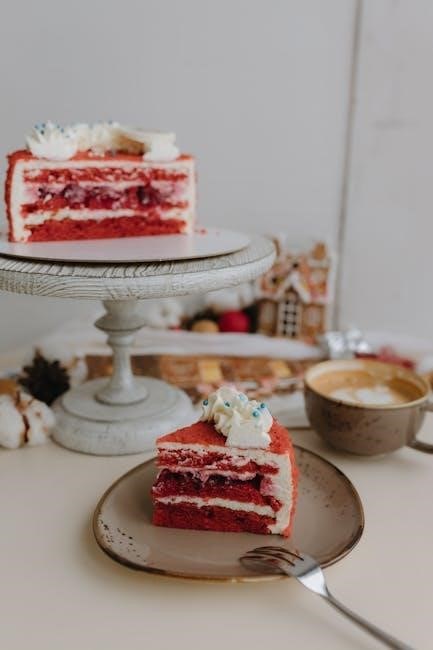
The method of cutting significantly impacts portion size and presentation. Traditional wedge cutting, while classic, can result in uneven slices – those nearest the center are larger. For consistent servings, consider a grid cutting technique. This involves cutting concentric circles and then dividing those into equal sections, creating neat, uniform squares or rectangles.
Grid cutting maximizes cake distribution, especially important when catering to a large group. It also simplifies serving and minimizes waste. Regardless of the technique, using a long, sharp knife is essential for clean cuts. Warm the knife slightly for even smoother slicing through delicate cake layers and frosting, enhancing the overall serving experience.
Traditional Wedge Cutting
The most recognizable method, traditional wedge cutting involves slicing the round cake like a pie – radiating lines from the center outwards. While visually appealing and straightforward, it presents challenges in achieving equal portion sizes. Slices closest to the cake’s center are inherently larger than those cut from the outer edges.
To mitigate this, start by cutting the cake in half, then in quarters, and continue dividing each section. A slight angling of the knife can help create more uniform wedges, but precision is key. This technique is best suited for smaller gatherings where minor size discrepancies are less noticeable, offering a classic presentation for any celebration.
Grid Cutting for Even Distribution
For precise portion control, grid cutting is the superior method. Begin by cutting concentric circles within the cake, creating rings. Then, make radial cuts from the center outwards, intersecting the rings to form a grid of squares or rectangles. This ensures every slice is nearly identical in size, minimizing waste and satisfying guests equally.
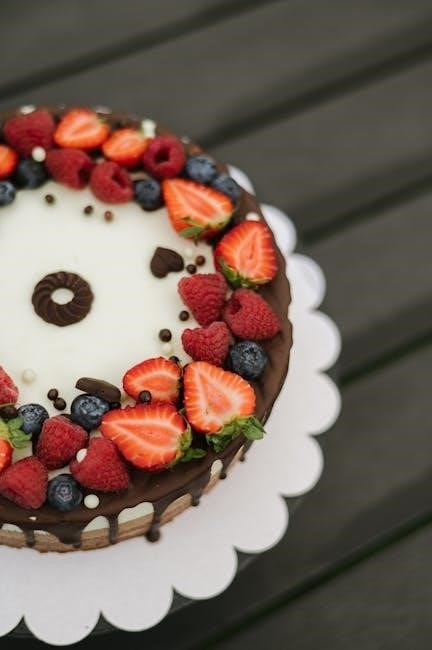
This technique requires a bit more effort and planning, but the results are worth it, especially for larger events. Use a long, serrated knife and wipe it clean between cuts for neat slices. Grid cutting is ideal when serving a variety of cake flavors or fillings, guaranteeing a consistent experience for everyone enjoying the dessert.
Serving Size Considerations: By Dessert Type
Cake density and richness significantly impact appropriate serving sizes. Cake with light frosting, like a simple vanilla sponge, allows for slightly larger portions – around 1.5 x 2 inches per person. However, cake with heavy frosting, buttercream or cream cheese, is much more decadent; reduce serving sizes to 1 x 1.5 inches.
Furthermore, consider fillings and toppings. Cakes laden with rich fillings (chocolate ganache, fruit compote) or substantial toppings (nuts, candies) necessitate smaller slices. A generous serving of such a cake can quickly become overwhelming. Adjust accordingly, prioritizing balance and preventing dessert fatigue among your guests. Remember, variety is key!
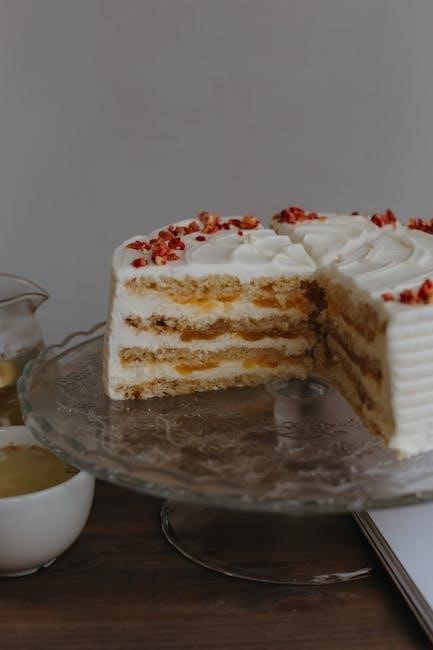
Cake with Light Frosting
When serving cakes with light frosting, such as a simple whipped cream or a delicate buttercream, you can generally offer slightly more generous portions. These cakes are less intensely sweet and rich, allowing guests to enjoy a larger slice without feeling overwhelmed. A standard serving size is approximately 1.5 inches wide by 2 inches long at the center of the slice.
Consider the overall menu. If other rich desserts are available, slightly smaller portions are advisable. However, if the cake is the primary dessert offering, a more substantial slice is perfectly acceptable. Lightly frosted cakes pair well with fresh fruit or a dollop of whipped cream, enhancing the overall experience.
Cake with Heavy Frosting
Cakes adorned with heavy frosting, like cream cheese frosting or a dense chocolate ganache, require more conservative serving sizes. The richness of the frosting significantly impacts how much guests will comfortably consume. A typical serving should be around 1 inch wide by 1.5 inches long at the center, ensuring a balanced taste experience.
Be mindful of sweetness levels. Heavy frostings are intensely sweet, so smaller portions prevent palate fatigue. If other desserts are present, reduce the cake slice size accordingly. Offering a contrasting element, like a tart fruit compote, alongside the cake can help cut through the richness and enhance enjoyment. Prioritize quality over quantity when dealing with decadent frostings.
Cake with Fillings & Toppings
Cakes boasting generous fillings and toppings – think fruit curds, chocolate mousse, nuts, or elaborate decorations – demand careful serving consideration. These additions contribute significantly to the overall richness and portion satisfaction. A standard serving size should be slightly smaller than a plain cake slice, approximately 1 inch by 1.5 inches at the center.
Consider the filling’s intensity. A tart filling might balance a sweet cake, allowing for a slightly larger slice. Conversely, a rich filling necessitates smaller portions. Visually appealing toppings can seem like more cake, so moderate slice sizes prevent overwhelming guests. Ensure each slice showcases a fair distribution of both filling and toppings for optimal enjoyment.
Cake Serving Etiquette
Presenting and offering cake involves a touch of grace and consideration. Always use a cake server to lift and transfer slices, avoiding direct hand contact. Offer the first slice to the guest of honor or the oldest attendee as a sign of respect. When serving, position the plate with the point of the slice facing the recipient – a subtle but appreciated detail.
Be mindful of dietary restrictions and allergies, clearly identifying cake ingredients if necessary. Offer a small napkin alongside each slice. Encourage guests to take only what they comfortably anticipate enjoying, minimizing waste. A polite inquiry – “Would you care for a slice?” – is preferable to simply placing cake before everyone.
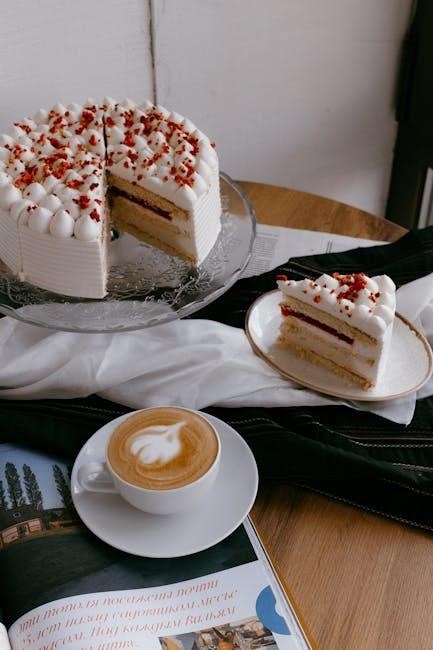
Leftover Cake Storage & Preservation
Proper storage is key to enjoying leftover cake. For short-term preservation (1-2 days), store loosely covered at room temperature to maintain moisture. However, for longer storage (up to a week), refrigeration is recommended. Place the cake in an airtight container to prevent drying and absorption of other flavors.
Freezing is an excellent option for extending shelf life – up to two months! Wrap the cake tightly in plastic wrap, then in foil, before freezing. Thaw overnight in the refrigerator. Note that frosting texture may slightly change after freezing. Consider freezing slices individually for convenient portions. Remember to label with the date for optimal freshness!
Adapting Servings for Different Diets
Dietary needs are increasingly common, so plan accordingly! For gluten-free cake servings, ensure separate cutting utensils are used to avoid cross-contamination if other cakes contain gluten. Portion sizes remain similar, but ingredient considerations are vital.
Vegan cake servings require similar attention. Confirm the cake is entirely plant-based, including frosting and fillings. Again, dedicated serving tools prevent accidental ingredient mixing. Be mindful of potential allergen information for guests with nut or soy sensitivities, common in vegan baking. Clearly label vegan options to avoid confusion and ensure everyone can enjoy a delicious slice!
Gluten-Free Cake Servings
Serving gluten-free cake requires extra care to prevent cross-contamination. Even a small amount of gluten can affect those with sensitivities or celiac disease. Use dedicated serving utensils – knives, spatulas, and even plates – that haven’t touched gluten-containing products.
Portion sizes are generally the same as traditional cake, but clearly label the gluten-free option to avoid any confusion. Consider offering a separate serving area to minimize risk. When cutting, start with the gluten-free cake first to further reduce the chance of cross-contamination. Inform guests about the gluten-free offering and the precautions taken, ensuring a safe and enjoyable experience for everyone.
Vegan Cake Servings
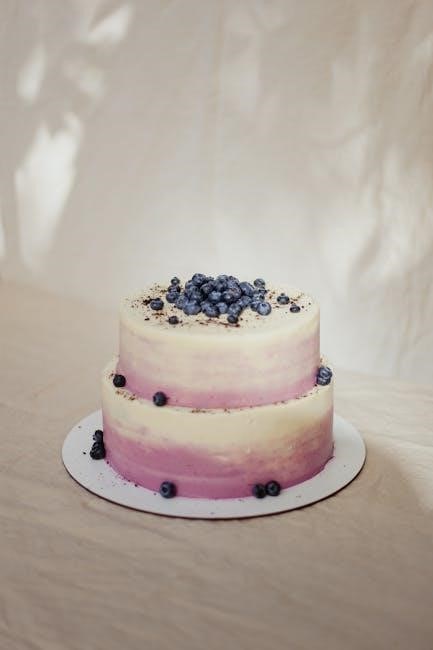
Presenting vegan cake requires clear communication to your guests. Many may not immediately recognize a vegan dessert, so prominent labeling is essential. Similar to gluten-free options, designate separate serving utensils to avoid cross-contamination with dairy or egg-based products.
Vegan cakes often have a slightly different texture than traditional cakes, so manage expectations accordingly. Portion sizes remain consistent with other cakes, but be mindful of dietary restrictions and preferences. Offering a variety of vegan frosting and filling options can enhance the experience. Clearly indicate all ingredients to those with allergies, ensuring a safe and inclusive dessert offering for all attendees.
Round Cake Serving Calculators & Tools
Numerous online resources simplify cake serving estimations. Websites dedicated to baking and party planning frequently offer interactive calculators where you input cake size and guest count to receive suggested serving numbers. These tools often allow adjustments for varying appetites and the presence of other desserts.
Spreadsheet templates are also available for more customized calculations. Consider creating your own, factoring in specific guest demographics and dietary needs. Printable cake serving guides, visually displaying slice portions, can be incredibly helpful for on-site serving. Utilizing these tools minimizes waste and ensures everyone enjoys a piece of the celebration, streamlining the planning process effectively.
Ultimately, successful cake serving hinges on thoughtful planning and realistic estimations. Consider your guests’ preferences, the event’s formality, and the availability of alternative desserts. Don’t be afraid to slightly overestimate – a little extra cake is always preferable to running out!
Remember that serving size guidelines are just that – guidelines. Adapt them based on your specific circumstances. Utilizing serving charts and calculators provides a solid foundation, but intuition and knowledge of your guest list are invaluable. With careful consideration, you can ensure a delightful and stress-free cake experience for everyone involved, making your celebration truly memorable.