

dental assistant exam questions and answers pdf
Overview of Dental Assistant Certification Exams
Dental assistant certification exams assess knowledge in hygiene, radiography, infection control, and patient care․ PDFs with exam questions and answers offer targeted review, letting candidates practice multiple choice scenarios and reinforce concepts․

Purpose and Importance

Dental assistant certification exams serve as a benchmark for professional competency, ensuring that practitioners possess the essential knowledge and skills required to support dentists and provide safe, effective patient care․ These assessments evaluate proficiency in core areas such as oral hygiene, radiographic technique, infection control protocols, pharmacology, and clinical procedures․ By requiring candidates to master both theoretical concepts and practical applications, the exams promote high standards of clinical practice and patient safety․ The use of comprehensive exam question and answer PDFs allows aspirants to familiarize themselves with the specific format, question types, and content emphasis that will appear on the actual test․ This targeted review material helps students identify knowledge gaps, reinforce learning, and build confidence before taking the live exam․ Ultimately, successful completion of a recognized certification exam not only validates a dental assistant’s expertise but also enhances employability, opens opportunities for advanced roles, and contributes to the overall quality of dental care delivered within the oral health team․ By mastering these exams, assistants demonstrate adherence to evidence‑based standards, fostering trust among patients and elevating the quality of dental team worldwide
Certification Bodies (ADA, NHA, etc․)
Dental assistants seeking certification typically encounter three major governing entities: the American Dental Association (ADA), the National Dental Assistant Association (NDAA), and the National Health Association (NHA)․ Each organization offers a distinct exam pathway, aligning with regional licensing requirements and professional development goals․ The ADA’s National Dental Assistant Certification Exam (NDACE) is widely recognized, featuring a rigorous 200‑question multiple‑choice format that covers hygiene, radiography, infection control, and patient management․ Its companion “NDACE‑Practical” test evaluates hands‑on skills in a simulated clinical environment, ensuring candidates can translate theory into practice․ The NHA’s Dental Assistant Certification Exam focuses on evidence‑based protocols and emphasizes continuing education credits, appealing to practitioners who value ongoing learning․ Meanwhile, the NDAA’s “Dental Assistant Credential” exam blends ADA content with state‑specific regulations, offering a hybrid approach that accommodates regional variations․ All three bodies provide official study guides, practice test PDFs, and online resources, allowing candidates to tailor their preparation to the exam style that best matches their career objectives․ By understanding the nuances of each certification body, aspiring dental assistants can strategically select the exam that maximizes their professional credibility and aligns with their long‑term goals․
Exam Formats and Formats (Multiple Choice, Practical)
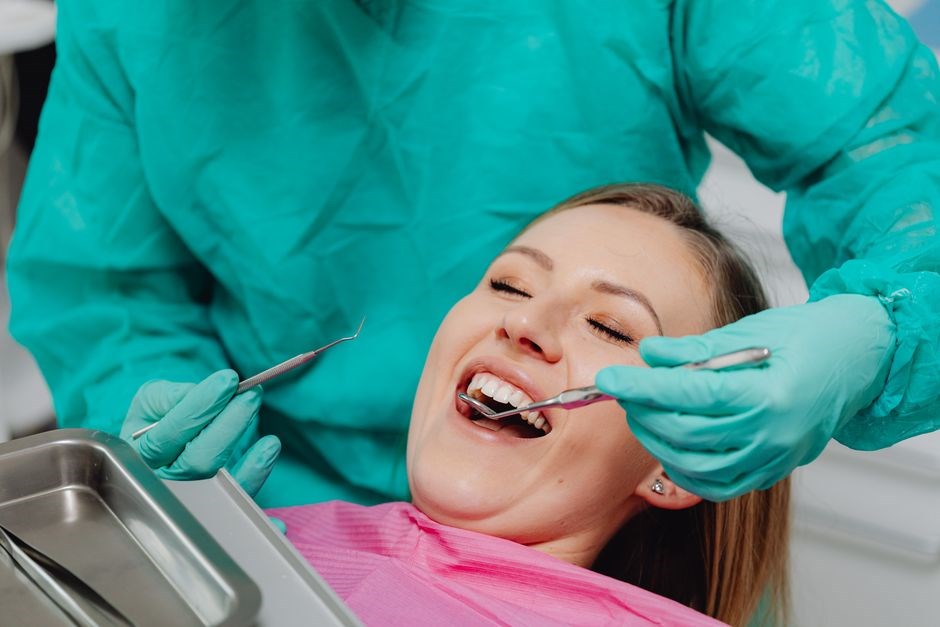
Dental assistant certification tests are structured to evaluate both cognitive knowledge and practical proficiency․ The most common format is a 200‑question multiple‑choice exam, administered electronically or on paper, covering core topics such as hygiene protocols, radiographic techniques, infection control, and patient interaction․ Candidates must answer within a strict time limit, typically 90 minutes, which tests not only accuracy but also speed and decision‑making under pressure․ In addition to the written component, many certifying bodies require a practical assessment․ This hands‑on portion simulates a real‑world dental office environment, where examinees demonstrate skills like charting, instrument sterilization, and assisting during restorative procedures․ Practical exams are often scored by trained evaluators using standardized checklists, ensuring objective measurement of competency․ Some organizations offer a hybrid approach, combining a written test with a virtual simulation that allows candidates to practice clinical scenarios in a controlled digital setting․ This format is particularly useful for remote candidates or those preparing for exams in regions with limited access to in‑person testing centers․ Regardless of the format, exam takers should familiarize themselves with the specific structure and scoring criteria of their chosen certification body, as this knowledge directly informs study strategies and resource selection․ The multiple‑choice section is divided into sub‑sections, each focusing on a distinct competency area․ For instance, the hygiene sub‑section may contain 50 questions on plaque removal techniques, while the radiography sub‑section includes 30 questions on exposure settings and safety protocols․ The exam also incorporates scenario‑based questions that require candidates to apply theoretical knowledge to clinical decision‑making․ These questions often present a patient case and ask the examinee to select the most appropriate intervention, reflecting real‑world problem‑solving․ In contrast, the practical exam is designed to assess procedural fluency․ Candidates may be asked to set up a sterile field, perform a prophylaxis, or assist with a simple filling․ Timing is critical; each task is allotted a specific duration, and the evaluator notes any deviations from standard procedure․ Some practical exams also include a written component within the simulation, where candidates must document findings or explain their rationale for chosen techniques․ The combination of written and practical assessments ensures a comprehensive evaluation of both knowledge and skill, aligning with the profession’s emphasis on safe, effective patient care․ Candidates preparing for these exams should therefore engage in both theoretical study and hands‑on practice, using practice test PDFs to simulate exam conditions and identify areas needing improvement․ Additionally, many exam providers offer timed practice modules that mirror the exact pacing of the official test, allowing candidates to build stamina and refine their time‑management skills before the actual exam day․
Exam Content Areas Covered in PDFs
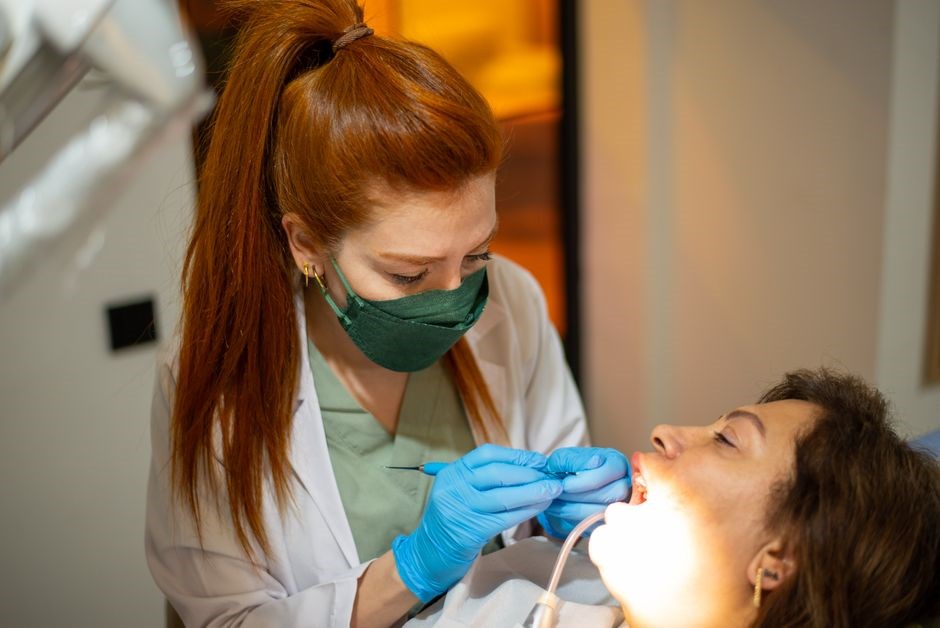
Dental assistant exam PDFs cover hygiene, radiography, infection control, clinical procedures, and patient management․ They provide practice questions, detailed answers, and explanations to reinforce key concepts and exam readiness; Resources test knowledge dailynow !
Basic Dental Hygiene
Dental assistant exam PDFs emphasize foundational hygiene knowledge, covering plaque and calculus removal, scaling techniques, and periodontal assessment․ Questions test understanding of proper hand‑instrument coordination, use of ultrasonic scalers, and the rationale behind rubber dam isolation․ Candidates review case studies illustrating caries risk factors, fluoride application protocols, and the importance of patient education on brushing and flossing․ The PDFs include detailed explanations of periodontal pocket measurement, bleeding on probing, and the stages of periodontal disease․ They also cover oral prophylaxis procedures, including the use of polishing pastes air‑polishing powders and ultrasonic unit settings․ Infection control is integrated, with questions on glove use, instrument sterilization cycles, and biohazard waste disposal․ Radiographic fundamentals—such as film selection, exposure settings, and image interpretation—are interwoven to reinforce the connection between hygiene and diagnostic accuracy․ Finally, the PDFs present scenario‑based questions that require applying hygiene protocols to diverse patient populations, including pediatric, geriatric, and medically compromised patients, ensuring exam takers can adapt techniques to individual needs․
Radiography and Infection Control
Dental assistant exam PDFs place a strong emphasis on radiographic fundamentals and stringent infection control practices, recognizing that both are critical pillars of safe, effective patient care․ Radiography questions probe knowledge of film types, sensor technology, exposure parameters, and image interpretation, ensuring candidates grasp the nuances of intra‑oral and extra‑oral imaging․ Candidates review detailed scenarios that require selecting the correct film or sensor, adjusting exposure factors to optimize image quality while minimizing radiation dose, and identifying common artifacts such as overexposure, underexposure, and motion blur․ The PDFs also cover the principles of the ALARA (As Low As Reasonably Achievable) concept, prompting exam takers to justify dose‑reduction strategies in diverse clinical situations, from pediatric to geriatric patients․
Infection control is interwoven throughout the radiography module, with questions addressing the entire chain of sterility and biohazard management․ Candidates study the proper use of gloves, masks, and eye protection, as well as the correct disinfection of radiographic equipment, including X‑ray tubes, detectors, and film holders․ The PDFs present case studies that require selecting appropriate sterilization cycles for instruments, understanding the differences between chemical disinfectants and autoclave processes, and recognizing the critical importance of hand hygiene before and after patient contact․ Candidates also review protocols for handling and disposing of contaminated materials, such as used film, lead aprons, and sharps, ensuring compliance with OSHA and CDC guidelines․
The exam PDFs integrate radiographic and infection control concepts through scenario‑based questions that challenge candidates to apply best practices in real‑time clinical settings․ For instance, a question may present a patient with a known radiation sensitivity and require the assistant to choose the safest imaging modality while also outlining the necessary protective measures․ Another scenario might involve a contaminated sensor that must be decontaminated without compromising image integrity, prompting the assistant to select the correct disinfectant and rinsing protocol․ By combining technical radiographic knowledge with rigorous infection control standards, the PDFs prepare candidates to excel in both the theoretical and practical aspects of the dental assistant certification exam, ultimately fostering a safer, more competent dental practice environment․
Clinical Procedures and Materials
Dental assistant exam PDFs emphasize mastery of operative techniques and material science, ensuring candidates can support a wide range of restorative and preventive procedures․ Questions cover the selection and handling of composite resins, glass ionomer cements, and amalgam, requiring knowledge of viscosity, curing times, and isolation methods․ Candidates review step‑by‑step protocols for cavity preparation, matrix placement, and restoration placement, with emphasis on proper bonding procedures and finishing techniques․ The PDFs also address the use of sealants, fluoride varnishes, and topical agents, testing the ability to choose appropriate products for caries risk assessment and patient education․
In addition to restorative work, the exam materials include scenarios involving impression taking, provisionalization, and the use of dental materials such as alginate, polyether, and silicone; Candidates must demonstrate proficiency in selecting the correct impression material for various clinical situations, understanding setting times, dimensional stability, and patient comfort․ The PDFs present case studies that require the assistant to identify the best provisional material—whether a resin‑based or composite—based on the clinical context, and to manage material waste according to environmental regulations․
The exam also evaluates knowledge of endodontic materials, including gutta‑percha, sealers, and calcium hydroxide, as well as the assistant’s role in preparing and handling these materials․ Questions probe the understanding of obturation techniques, the importance of moisture control, and the correct disposal of contaminated files․ By integrating detailed procedural questions with material science, the PDFs prepare candidates to perform accurately and safely, reinforcing the assistant’s critical support role in the dental office․

Patient Management and Communication
Effective patient management and clear communication are core competencies tested in dental assistant exam PDFs․ Questions assess the assistant’s ability to gather accurate medical histories, identify contraindications, and explain treatment plans in lay terms․ Candidates must demonstrate proficiency in using standardized forms, interpreting patient responses, and documenting findings in compliance with HIPAA regulations․ The PDFs present scenarios where the assistant must triage patients, prioritize appointments, and coordinate referrals to specialists, ensuring seamless workflow and optimal patient outcomes․ Communication skills are evaluated through role‑play style questions that require concise, empathetic dialogue․ The assistant must convey complex procedures, such as anesthesia administration or restorative techniques, while addressing patient anxieties and obtaining informed consent․ Exam questions also test proficiency in non‑verbal cues, active listening, and cultural sensitivity, ensuring the assistant can adapt communication style to diverse populations․ The PDFs include sample scripts and feedback prompts, guiding candidates to refine tone, pace, and clarity․ Patient education is another focal point․ Candidates review educational materials, such as oral hygiene instructions, dietary recommendations, and post‑operative care guidelines․ The PDFs present case studies where the assistant must tailor information to varying literacy levels, using visual aids and simple language․ Questions assess the ability to set realistic expectations, explain potential complications, and reinforce follow‑up appointments․ By integrating these elements, the exam PDFs ensure that future dental assistants can manage patient interactions professionally, fostering trust and enhancing overall care quality․ Candidates must master digital charting tools and cost estimation

Accessing Official Exam Question PDFs
Exam PDFs are available through ADA sites, state boards, and distributors․ Downloadable guides contain full question sets and answer keys, often requiring membership or purchase․ Verify authenticity before use!
Official ADA Study Guides
The American Dental Association (ADA) publishes study guides that serve as the cornerstone for dental assistant certification preparation․ These guides feature foundational theory, clinical scenarios, and practice questions that mirror exam structure․ Modules cover oral hygiene, radiography, and advanced procedures, allowing focused study․ Question banks include detailed answer explanations that clarify correct answers․ PDF versions are downloadable, ensuring accessibility for print and digital study․ Users can annotate PDFs or export content into flashcards for spaced repetition․ ADA’s commitment to up-to-date content is reflected in regular revisions․ Leveraging these resources builds confidence, reduces anxiety, and aligns study with exam objectives․ Ultimately, ADA study guides offer a reliable path to certification success․
- Comprehensive coverage of ADA standards․
- Updated content with latest guidelines․
- Questions with detailed explanations․
- Downloadable PDFs for flexible study․
- Annotated PDFs and flashcard export․
- Updates reflecting regulatory changes․
- Builds confidence and reduces anxiety․
- Path to certification success with reliable guidance․
- Flexible study options for daily schedules․
Publicly Available Practice Test PDFs
Dental assistant exam preparation often relies on freely accessible practice test PDFs that mirror the format and difficulty of official exams․ These documents are typically compiled by experienced educators, professional associations, or dedicated study groups and are shared through academic forums, dental student networks, and open‑access repositories․ Each PDF usually contains a set of multiple‑choice questions, answer keys, and concise explanations that highlight key concepts and common pitfalls․ By working through these practice tests, candidates can identify knowledge gaps, refine test‑taking strategies, and gain familiarity with the timing constraints of the actual certification exam․ Many of these resources are updated annually to reflect changes in dental guidelines, infection‑control protocols, and emerging technologies․ Users can download the PDFs for offline study, annotate them with digital tools, or print them for review sessions․ Because they are publicly available, these practice tests provide an affordable and flexible option for students and professionals seeking to validate their readiness before committing to paid study programs․
Students often pair these PDFs with interactive quizzes to deepen understanding and improve recall
Subscription-Based Resources
Many dental‑assistant candidates turn to subscription‑based platforms that bundle comprehensive question banks, adaptive learning modules, and performance analytics․ These services typically offer tiered plans, ranging from basic access to full‑suite packages that include live webinars, mentor‑led review sessions, and real‑time progress dashboards․ The core content is a continuously updated repository of exam‑style questions, each accompanied by detailed rationales that explain why a particular answer is correct․ Users can filter questions by topic—such as radiography, infection control, or patient communication to focus on weak areas․ Adaptive algorithms track response accuracy and adjust difficulty, ensuring that learners encounter questions that match their evolving proficiency level․ In addition, many platforms provide downloadable PDFs of practice exams, allowing candidates to simulate the test environment offline․ Some subscriptions also grant access to mock exams timed to mimic the official exam’s pacing, helping students build stamina and time‑management skills․ Finally, community forums integrated into the platform enable peer discussion, allowing users to share insights, study strategies, and real‑world clinical anecdotes that enrich the learning experience․!!

Preparing for the Exam Using PDFs
PDFs serve as a focused study tool, offering structured questions and answers that mirror exam formats․ By reviewing PDFs, candidates can identify gaps, practice recall, and simulate timed conditions, enhancing confidence and readiness․ master exam strategies․!!
Study Plan Development

Creating a structured study schedule is essential for mastering dental assistant exam questions and answers PDFs․ Begin by mapping the exam syllabus into weekly blocks, allocating more time to high‑yield topics such as infection control and radiographic interpretation․ Use the PDF question bank to identify recurring themes and adjust your focus accordingly․ Incorporate spaced repetition by revisiting challenging sections every 3–5 days, ensuring concepts are retained long‑term․ Set daily goals—complete a set number of PDF questions, review explanations, and summarize key points in a dedicated notebook․ Schedule bi‑weekly mock reviews, comparing your answers against the PDF solutions to gauge progress․ Allow flexibility for unexpected gaps: if a particular practice question reveals a knowledge deficit, extend the next block to cover that area․ Finally, maintain a log of time spent and accuracy rates; this data informs whether to accelerate or slow your pace․ Consistency, reflection, and targeted practice using the PDF resources will build confidence and reduce exam anxiety․
Active Recall and Flashcards
Active recall is the cornerstone of learning for dental assistant exam questions and answers PDFs․By repeatedly testing yourself on the material,you force the brain to retrieve information, strengthening neural pathways and exposing weak spots․ Start by converting PDF questions into flashcard pairs: the prompt on one side, the concise answer on the other․ Digital tools like Anki or Quizlet let you schedule spaced repetitions automatically, ensuring you review cards just before you’re about to forget them․ For high‑yield topics—such as radiographic safety, sterilization protocols, and patient communication—create themed decks․ When the PDF presents a question, write the question stem on the front and list the correct answer plus a brief rationale on the back; this reinforces not just the fact but the reasoning behind it․ Mix in “why” cards: ask why a particular infection control step is necessary, prompting deeper conceptual understanding․ During study sessions, shuffle the deck to avoid pattern recognition, and record your confidence level after each answer․ Review cards you answer incorrectly or with low confidence immediately, then re‑add them to the deck for more frequent repetition․ Over time, the flashcard system turns passive reading of PDFs into active, self‑ mastery, dramatically improving recall during the actual exam
Timed Practice Tests
Timed practice tests simulate the real exam environment, helping candidates gauge pacing and stamina․ Using dental assistant exam questions and answers PDFs, create a full‑length mock test that mirrors the official format—typically 150 multiple‑choice items over 3 hours․ Begin by selecting a random subset of PDF questions, ensuring coverage of all content areas: basic hygiene, radiography, infection control, clinical procedures, and patient management․ Assign each question a time allotment (e․g․, 1 minute per item) and set a strict timer․ During the mock, record your score and note any sections where you exceeded the allotted time or felt uncertain․ After completion, review each answer against the PDF’s key, focusing on explanations for incorrect choices․ Repeat the process weekly, gradually increasing difficulty by incorporating higher‑level questions from advanced practice PDFs․ Track progress with a spreadsheet, noting trends such as consistent errors in infection‑control terminology or radiographic safety protocols․ This data‑driven approach allows targeted revision, ensuring that by exam day you can navigate the full test confidently, maintain focus, and achieve a high score․ Additionally, review the timing of each section to identify any patterns of hesitation, and adjust the study plan accordingly to optimize performance under pressure․ Practice a stopwatch to build confidence!