
nostril piercing guide
Nostril Piercing Guide: A Comprehensive Overview (Updated 02/17/2026)
Today’s date is 02/17/2026 21:54:57. This guide details nostril piercings‚ covering healing (2.5-3 months initially‚ fully healed in 1-2 weeks)‚ and potential issues like ‘mask-ne’.
Understanding Nostril Piercings
Nostril piercings represent a popular form of body modification‚ offering a chic style statement with diverse jewelry options. Considering a piercing involves understanding the commitment to aftercare and potential healing timelines. Initial healing typically spans 2.5 to 3 months‚ with complete visibility and a comfortable feeling arriving within 1-2 weeks post-initial healing.
However‚ edema or swelling can persist for up to 45-60 days. It’s crucial to remember that proper cleaning‚ two to three times daily with a .09% sodium chloride solution‚ is paramount. Factors like acne near the piercing site (“mask-ne”) can complicate the healing process‚ requiring diligent attention. Choosing a reputable piercer and adhering to strict sterilization protocols are foundational steps for a successful outcome.
What is a Nostril Piercing?
A nostril piercing is a form of body art where the cartilage or skin on the side of the nose is pierced‚ typically to accommodate decorative jewelry. It’s a widely embraced aesthetic choice‚ often seen as a subtle yet impactful style enhancement. Individuals considering this piercing are often drawn to the endless options for adorning their “body canvas‚” ranging from delicate studs to bolder hoops.
If you’ve been experimenting with temporary looks – like rhinestones or holding earrings against your nose – a permanent nostril piercing might be the next step. It’s a commitment requiring diligent aftercare‚ including regular cleaning with saline solution. Understanding the process and potential healing timelines is key to a positive experience.
Types of Nostril Piercings
While the standard nostril piercing remains the most popular‚ several variations cater to different aesthetic preferences. A standard nostril piercing involves puncturing the nostril side cartilage. High nostril piercings are placed higher up on the nose‚ closer to the flare‚ offering a unique and fashionable look. These require precise placement and can have a slightly longer healing period.
For those seeking a bolder statement‚ a double nostril piercing involves two piercings on the same side of the nostril. Other options‚ though not directly related to the nostril side‚ include septum and bridge piercings. Choosing the right type depends on individual anatomy‚ pain tolerance‚ and desired style.
High Nostril Piercing
A high nostril piercing is a stylish variation placed higher on the nostril‚ closer to the eye line and nasal bridge. This placement offers a more subtle and unique aesthetic compared to the traditional standard nostril piercing. However‚ due to its location on thinner cartilage‚ it’s generally considered more painful and may require a skilled piercer for accurate placement.

Healing times can be slightly extended compared to standard nostril piercings‚ demanding diligent aftercare. Jewelry options often include delicate studs or small rings to complement the piercing’s refined appearance. Careful consideration of anatomy is crucial‚ as not everyone is suitable for this type of piercing.
Standard Nostril Piercing
The standard nostril piercing remains the most popular choice‚ involving piercing the nostril sidewall. It’s a versatile option‚ suitable for various jewelry styles like studs‚ rings‚ or hoops‚ allowing for personalized expression. This piercing generally experiences an initial healing phase of 2.5 to 3 months‚ with complete visibility and a fully healed sensation appearing within 1-2 weeks post-initial healing.
While generally less painful than cartilage piercings‚ proper aftercare is vital to prevent complications. Maintaining cleanliness with a .09% saline solution‚ applied 2-3 times daily‚ is crucial. It’s important to avoid sleeping on the pierced side during the healing process to minimize irritation and promote optimal recovery.
Double Nostril Piercing

A double nostril piercing involves adorning both nostrils with piercings‚ creating a symmetrical and bold aesthetic. This style requires commitment to aftercare for both sites simultaneously‚ increasing the overall healing time and potential for complications. Individuals considering this option should ensure they are prepared for the extended healing process and diligent maintenance.

Like the standard nostril piercing‚ initial healing typically takes 2.5 to 3 months‚ with full healing and visibility achieved within 1-2 weeks afterward. Consistent cleaning with a .09% saline solution‚ 2-3 times daily‚ is paramount. Avoiding pressure on the piercings‚ especially during sleep‚ is also essential for successful healing and preventing irritation.
The Piercing Process
Embarking on a nostril piercing journey requires careful consideration of the process itself. First‚ choosing a reputable piercer is crucial; look for licensed professionals with excellent hygiene practices and positive reviews. They should explain the procedure thoroughly and address any concerns.
Sterilization and safety protocols are non-negotiable. Ensure the piercer uses single-use‚ sterile needles and jewelry. Observe their setup – it should be impeccably clean. The piercing procedure itself involves marking the desired spot‚ clamping the nostril‚ and swiftly inserting the jewelry. Expect a brief‚ sharp sensation. Post-piercing‚ the piercer will provide detailed aftercare instructions.
Choosing a Reputable Piercer
Selecting the right piercer is paramount for a safe and successful nostril piercing experience. Prioritize licensed professionals who demonstrate a commitment to hygiene and safety. Thoroughly research potential studios‚ reading online reviews and checking for any complaints filed with local health departments.
A reputable piercer will readily answer your questions‚ explain the procedure in detail‚ and discuss potential risks and aftercare requirements. Observe the studio’s cleanliness – it should be spotless and well-maintained. Don’t hesitate to ask about their sterilization procedures; autoclaves are essential for sterilizing instruments. Trust your instincts; if something feels off‚ seek another piercer.
Sterilization and Safety Protocols
Rigorous sterilization is non-negotiable when it comes to nostril piercings. A reputable studio will utilize an autoclave – a machine employing high-pressure steam to eliminate all bacteria and viruses from instruments. Single-use‚ disposable needles are also crucial; never accept a situation where needles are reused or improperly sterilized.
Beyond instrument sterilization‚ the piercer should practice strict hygiene. This includes thoroughly washing their hands‚ wearing fresh gloves throughout the procedure‚ and disinfecting the piercing area on your nostril with a surgical antiseptic. Surface sterilization of countertops and equipment is also vital. Confirm the studio adheres to all local health regulations and licensing requirements for body modification.

The Piercing Procedure Itself
The piercing process begins with a thorough marking of the desired location on your nostril‚ ensuring proper placement and symmetry. This is your chance to confirm the spot before proceeding! The piercer will then clamp the nostril to stabilize it. A sterile‚ single-use needle is swiftly passed through the cartilage‚ followed immediately by the insertion of initial jewelry.
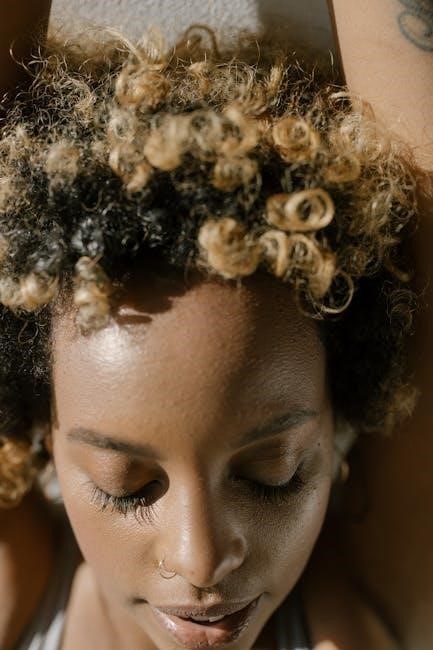
Expect a brief‚ sharp pinch during the piercing. While pain tolerance varies‚ most describe it as manageable. The piercer will ensure the jewelry is securely fastened and provide detailed aftercare instructions. The entire procedure is typically quick‚ often completed within a few minutes. Following the piercing‚ a small amount of bleeding is normal and should subside quickly.
Jewelry Options for Nostril Piercings
When it comes to adorning your new nostril piercing‚ a variety of materials and styles are available. Surgical steel is a common‚ affordable option‚ while titanium offers enhanced biocompatibility‚ minimizing allergic reactions. For those seeking luxury‚ 14k or 18k gold is a beautiful and durable choice.
Styles range from classic studs – often featuring gemstones or decorative tops – to elegant rings and seamless hoops. Initial jewelry should prioritize comfort and healing; a simple stud is often recommended. As the piercing heals‚ you can explore different styles‚ but always ensure the jewelry is high-quality and appropriate for a fresh piercing. Consider downsizing jewelry to prevent irritation.
Materials: Surgical Steel‚ Titanium‚ Gold
Choosing the right material for your nostril jewelry is crucial for successful healing and long-term comfort. Surgical steel is a popular‚ budget-friendly option‚ though some individuals may experience sensitivities. Titanium stands out as a hypoallergenic choice‚ ideal for those prone to allergic reactions‚ promoting smoother healing.
For a touch of luxury and lasting value‚ gold – specifically 14k or 18k – is an excellent investment. Ensure the gold is genuine to avoid irritation from alloys. Each material offers unique benefits; consider your skin sensitivity‚ lifestyle‚ and budget when selecting. Prioritize biocompatibility during the initial healing phase to minimize complications.

Styles: Studs‚ Rings‚ Hoops
Nostril piercings offer a diverse range of jewelry styles to express your individuality. Studs‚ particularly flat-back labret studs‚ are commonly recommended for initial piercings due to their secure fit and reduced risk of snagging. Once healed‚ you can explore various decorative studs with gemstones or unique designs.
Rings and hoops provide a classic and versatile look. Captive bead rings and seamless rings are popular choices‚ offering a continuous‚ polished appearance. Consider the gauge (thickness) of the jewelry; a smaller gauge is generally preferred for initial piercings. Experiment with different sizes and shapes to find a style that complements your features and reflects your personal aesthetic.
Initial Jewelry Considerations
Selecting appropriate initial jewelry is crucial for successful healing. Opt for high-quality materials like surgical steel‚ titanium‚ or solid 14k gold to minimize allergic reactions and irritation. Avoid nickel-based alloys‚ as they can cause sensitivities. The initial jewelry should be long enough to accommodate potential swelling during the healing process‚ typically a 16-gauge or 18-gauge stud.
Flat-back labret studs are often recommended by piercers for their secure fit and reduced risk of snagging. Ensure the jewelry is polished and free of any sharp edges. Avoid intricate designs initially‚ as they can harbor bacteria and complicate cleaning. Prioritize comfort and functionality over aesthetics during the initial healing phase to promote optimal results.
Aftercare: The Key to Successful Healing
Diligent aftercare is paramount to prevent infection and ensure proper healing of your nostril piercing. Begin by thoroughly washing your hands before touching the piercing or jewelry. A crucial step involves cleaning the piercing site two to three times daily using a sterile 0.9% saline solution. This gentle solution effectively removes debris and promotes a healthy healing environment.
Avoid harsh chemicals like alcohol‚ hydrogen peroxide‚ or antibacterial soaps‚ as they can irritate the delicate tissue. Gently spray the saline solution onto the piercing‚ ensuring both the entry and exit points are thoroughly cleansed. Pat dry with a clean‚ disposable paper towel – avoid cloth towels which can harbor bacteria. Consistency is key throughout the entire healing process.

Cleaning Your Nostril Piercing
Maintaining impeccable hygiene is fundamental during nostril piercing aftercare. Begin each cleaning session by meticulously washing your hands with antibacterial soap and warm water. This prevents introducing bacteria to the piercing site. Next‚ prepare a 0.9% saline solution – readily available over-the-counter – or create a homemade version by dissolving ¼ teaspoon of non-iodized sea salt in 1 cup (8oz) of warm distilled water.
Apply the saline solution directly to the piercing‚ ensuring both the entry and exit points are saturated. You can use a clean cotton swab or simply spray the solution onto the area. Gently move the jewelry to allow the saline to penetrate all surfaces. After cleaning‚ pat the area dry with a clean‚ disposable paper towel. Avoid using cotton balls or cloths.
Saline Solution: Preparation and Application
Creating and applying a proper saline solution is crucial for optimal nostril piercing healing. Begin with distilled water – tap water can contain minerals and bacteria hindering the process. Dissolve ¼ teaspoon of non-iodized sea salt into one cup (8oz) of warm distilled water. Stir thoroughly until the salt is completely dissolved; undissolved granules can irritate the piercing.
Avoid using table salt‚ as it often contains additives. Application can be done via several methods: a sterile gauze pad soaked in the solution‚ a clean cotton swab‚ or a dedicated saline spray. Gently saturate the piercing site‚ ensuring both the entry and exit points are covered. Do not soak the entire nostril; focus solely on the pierced area. Pat dry with a clean paper towel afterward.
Frequency of Cleaning (2-3 times daily)
Maintaining a consistent cleaning schedule is paramount during nostril piercing aftercare. Aim to clean the piercing two to three times each day‚ especially during the initial healing phase; Over-cleaning can be just as detrimental as under-cleaning‚ potentially drying out the piercing site and causing irritation. Always wash your hands thoroughly with antibacterial soap and water before touching the piercing or jewelry.
Consistency is key; establish a routine that fits your lifestyle. Avoid harsh soaps‚ alcohol-based cleaners‚ or hydrogen peroxide‚ as these can impede healing. Gently cleanse the area with the prepared saline solution‚ ensuring both the inner and outer surfaces of the piercing are addressed. Remember to pat the area dry with a clean‚ disposable paper towel after each cleaning.
Healing Timeline & What to Expect
The healing journey of a nostril piercing unfolds in stages. Initially‚ expect a healing period of approximately 2.5 to 3 months for the piercing to begin stabilizing. However‚ true‚ complete healing – where the piercing feels comfortable and exhibits minimal sensitivity – typically takes an additional 1 to 2 weeks after this initial phase. It’s crucial to remember that healing times vary based on individual factors and aftercare diligence.
Some edema‚ or swelling‚ is normal and can persist for up to 45-60 days post-piercing. Avoiding pressure on the piercing‚ including sleeping on the pierced side‚ is vital during this time. Be patient and consistent with aftercare; a well-cared-for piercing is far more likely to heal smoothly and without complications.
Initial Healing Phase (2.5 ー 3 months)
During the first 2.5 to 3 months‚ your nostril piercing is in its most vulnerable state. This initial phase focuses on minimizing trauma and preventing infection. Expect some redness‚ tenderness‚ and minor discharge – these are normal responses as your body adapts to the new jewelry. Consistent and diligent aftercare is paramount during this period; cleaning 2-3 times daily with a sterile saline solution is essential.
Avoid touching the piercing unnecessarily‚ and refrain from twisting or rotating the jewelry‚ as this can disrupt the healing process. Be mindful of clothing and accessories that might snag or irritate the piercing site. Patience is key; this initial phase sets the foundation for successful‚ long-term healing.
Complete Healing & Visibility (1-2 weeks after initial phase)
Following the 2.5-3 month initial healing period‚ a further 1-2 weeks typically brings complete healing and improved visibility. While individual healing times vary‚ you’ll likely notice a significant reduction in redness‚ swelling‚ and discharge. The piercing site should feel less sensitive and more comfortable to the touch. This doesn’t mean you can abandon aftercare entirely!
Continue cleaning the piercing regularly‚ though perhaps less frequently than during the initial phase. Observe for any signs of irritation or infection. The jewelry should sit comfortably and securely‚ without excessive movement. At this stage‚ you can begin considering downsizing the jewelry‚ but consult your piercer first to ensure optimal healing and fit.
Edema and Swelling (Up to 45-60 days)
Expect some degree of edema‚ or swelling‚ around the nostril piercing site for up to 45-60 days post-piercing. This is a normal part of the healing process as your body responds to the new piercing. The swelling may fluctuate‚ appearing worse after activity or during warmer temperatures. Avoid bumping or irritating the piercing‚ as this can exacerbate the swelling and delay healing.

During this period‚ consistent aftercare is crucial. Regularly clean the piercing with a sterile saline solution to minimize inflammation and prevent infection. Avoid sleeping on the pierced side to reduce pressure and swelling. Patience is key; while the initial healing phase is shorter‚ complete resolution of swelling takes time.
Potential Complications & How to Handle Them
While generally safe‚ nostril piercings can experience complications. Infection is a concern‚ indicated by increased pain‚ redness‚ swelling‚ and pus-like discharge – seek a piercer or doctor immediately. “Mask-ne‚” or acne near the piercing‚ can occur due to friction and trapped moisture; maintain cleanliness and consider a different mask material.
Piercing rejection or migration‚ where the body pushes the jewelry out‚ is also possible. Watch for jewelry movement or visible scarring. If suspected‚ consult your piercer. Promptly address any issues to prevent further complications and ensure successful healing. Consistent aftercare and choosing a reputable piercer significantly minimize these risks.
Infection Signs & Symptoms
Recognizing infection early is crucial for successful healing. Key signs include increased pain at the piercing site‚ extending beyond initial tenderness. Noticeable redness and significant swelling surrounding the jewelry are also indicators. A yellowish or greenish discharge‚ often with a foul odor‚ strongly suggests infection – this differs from clear lymph fluid.
Warmth around the piercing and fever are serious symptoms requiring immediate medical attention. Do not attempt to self-treat a suspected infection; consult a piercer or doctor promptly. Ignoring these signs can lead to more severe complications and potential scarring. Maintaining strict hygiene and following aftercare instructions minimizes infection risk.
Acne & Piercing Site Irritation (“Mask-Ne”)
The rise of “mask-ne‚” acne exacerbated by mask-wearing‚ presents unique challenges for nostril piercing healing. Friction and trapped humidity can irritate the piercing site‚ leading to breakouts and inflammation. This irritation isn’t an infection‚ but it can mimic infection symptoms‚ hindering the healing process and causing discomfort.

Maintaining a clean mask and avoiding harsh skincare products near the piercing are vital. Gentle cleansing with a saline solution can help manage irritation. Resist the urge to touch or pick at the area‚ as this introduces bacteria and worsens inflammation; If acne persists or becomes severe‚ consult a dermatologist for appropriate treatment options.
Rejection & Migration
Piercing rejection occurs when the body identifies the jewelry as a foreign object and attempts to expel it‚ resulting in movement of the jewelry and eventual expulsion. Migration is a slower process where the piercing gradually shifts from its original placement. Both are concerning signs indicating the piercing isn’t properly integrated.
Early signs include increased sensitivity‚ redness around the entry/exit points‚ and noticeable movement of the jewelry. If you suspect rejection or migration‚ immediately consult your piercer. Downsizing jewelry or changing the angle might help‚ but severe cases may require removal to prevent scarring. Avoiding pressure or trauma to the piercing site is crucial during healing.
Downsizing & Jewelry Changes
Downsizing your nostril jewelry is a crucial step in the healing process‚ typically recommended once initial swelling subsides. This prevents irritation and encourages proper tissue integration; Choosing the correct size is vital; too small can cause discomfort‚ while too large defeats the purpose. Consult your piercer for guidance on appropriate sizing.
Avoid changing jewelry prematurely. Wait until the piercing is well-healed – generally after the initial 2.5-3 month period‚ with full visibility and feeling after 1-2 weeks. During healing‚ avoid sleeping directly on the pierced side to minimize pressure and potential complications. Prioritize high-quality materials like surgical steel‚ titanium‚ or gold to reduce irritation.
When to Downsize Your Jewelry
Downsizing is generally recommended after the initial healing phase‚ typically around 2.5 to 3 months post-piercing. However‚ don’t solely rely on time; assess the piercing’s condition. Look for reduced redness‚ minimal swelling (edema potentially lasting up to 60 days)‚ and the absence of significant discomfort. If you notice these improvements‚ it’s likely a good time to consider downsizing.
Avoid downsizing during periods of irritation or if you’ve recently experienced trauma to the piercing. A stable‚ comfortable piercing is essential. Remember‚ complete healing and full visibility often occur 1-2 weeks after the initial phase‚ providing a clearer indication of readiness. Always consult your piercer for personalized advice.
Choosing the Right Size for Downsizing
Downsizing involves selecting jewelry with a slightly shorter post length or a smaller diameter‚ depending on the style. Avoid drastically reducing the size‚ as this can cause irritation or even rejection. A general guideline is to decrease the post length by approximately 1-2mm for studs. For rings‚ a smaller gauge (thickness) is appropriate.
Your piercer can accurately measure your current jewelry and recommend a suitable downsizing size. They’ll consider the anatomy of your nostril and the healing progress. It’s crucial to choose high-quality jewelry made from biocompatible materials like surgical steel‚ titanium‚ or gold to minimize the risk of allergic reactions or complications during the continued healing process.
Avoiding Sleep on the Pierced Side During Healing
Consistently sleeping on your pierced nostril can significantly impede healing and increase the risk of complications. Direct pressure disrupts the delicate healing tissues‚ potentially leading to swelling‚ irritation‚ and even migration or rejection of the jewelry. This prolonged pressure can also introduce bacteria‚ increasing the chance of infection.
To mitigate these risks‚ actively avoid sleeping on the side with the piercing. Utilize pillows to prop yourself in a position that keeps pressure off the nostril. Consider a travel pillow or strategically arranged cushions. Maintaining this precaution‚ especially during the initial healing phase (up to 60 days with potential edema)‚ is vital for a successful outcome and long-term jewelry retention.